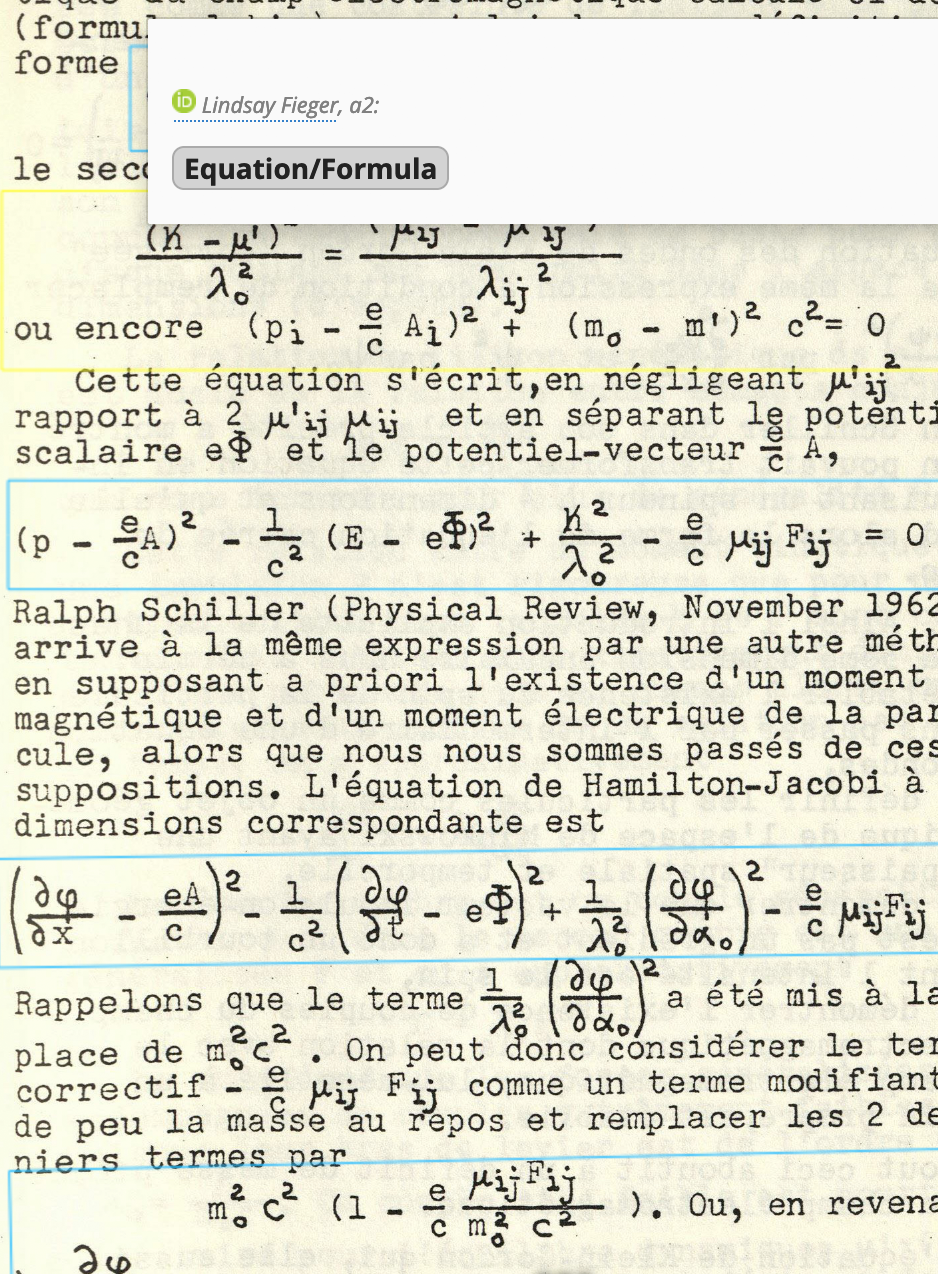
Between 1973 and 1984, thirty-six issues of a privately published newsletter were circulated to about 180 of the most prominent physicists in the world.
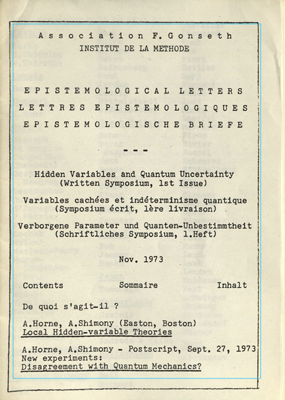
Epistemological Letters was a product of its time and played an important role in the foundations of physics at a critical moment in the field’s early development. Launched in November 1973 and concluded in October of 1984 after thirty-six issues, it was neither a journal nor a newsletter, functioning more like today’s preprint servers. Its founders described the concept thusly on the back cover of every issue: “‘Epistemological Letters’ are [sic] not a scientific journal in the ordinary sense. They [sic] want to create a basis for an open and informal discussion allowing confrontation and ripening of ideas before publishing in some adequate journal.” It was published under the auspices of the Association Ferdinand Gonseth’s Institut de la Méthode in Bienne, Switzerland.
It contained contributions on the foundations of physics inspired by the work of John Bell, which in turn had been inspired by David Bohm's revival of Louis de Broglie's "pilot wave theory."
The organizer of Epistemological Letters was the Swiss philosopher of science and secretary of Institute de la Méthode, François Bonsack, but its guiding spirit was the influential American physicist and philosopher, Abner Shimony. That same first issue announces that the Letters were being distibuted to ninety-four people in fifteen countries, and the second issue, from May 1974, reports the addition of eighty-five new recipients and three more countries. While the distribution was comparatively small, it was truly global, and the names are a Who’s-Who of quantum physics and philosophy of science in that era.
It contained contributions on the foundations of physics inspired by the work of John Bell, which in turn had been inspired by David Bohm's revival of Louis de Broglie's "pilot wave theory."
Continue reading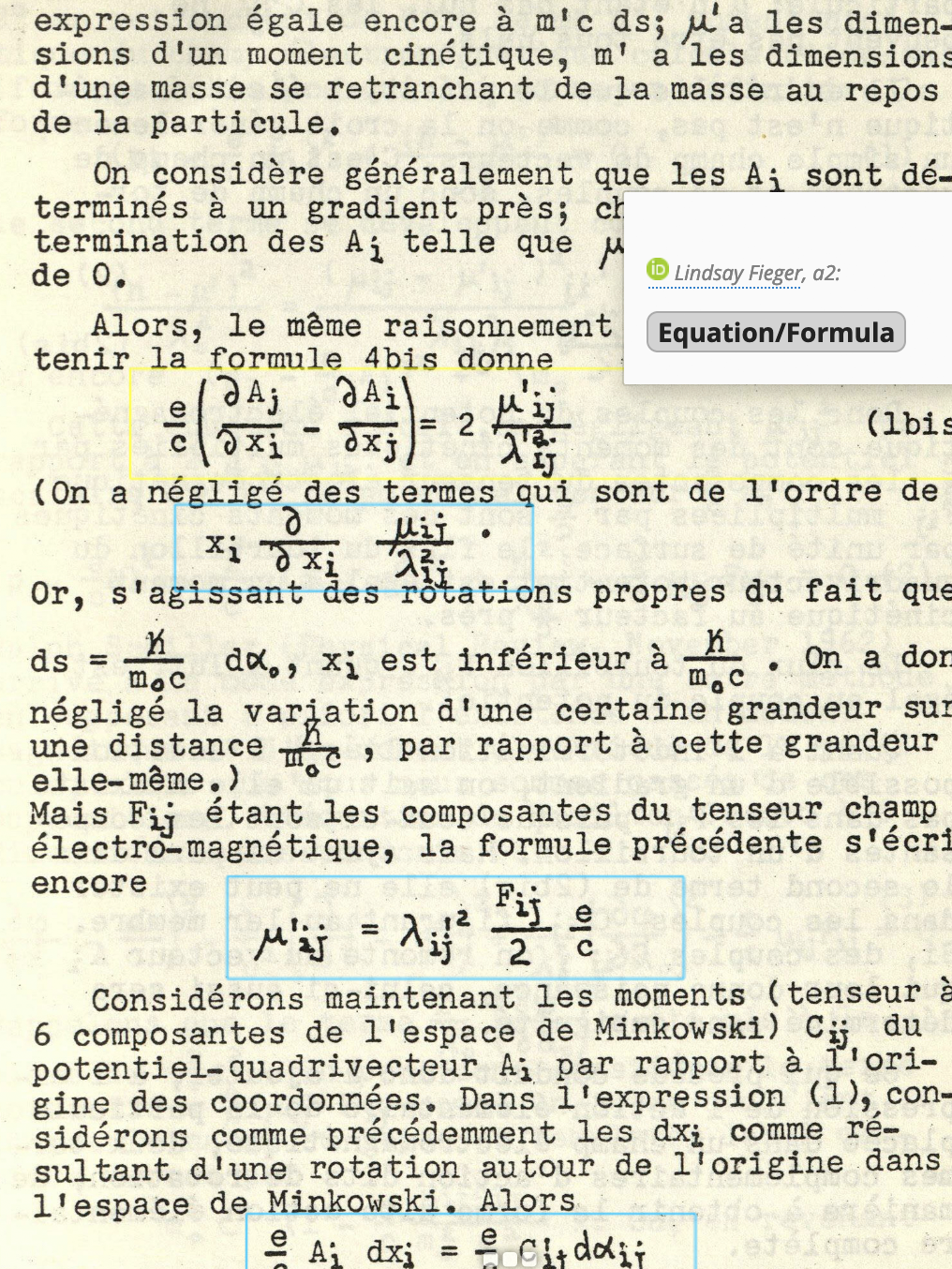
Epistemological Letters was a product of its time and played an important role in the foundations of physics at a critical moment in the field’s early development.
Continue reading...